
A Preliminary Environmental Inspection report must be your first “go-to” source prior to all remodeling, operation and maintenance (O&M) or demolition activities. Unless your building materials have been tested and labeled in the past, you cannot be sure that it is – or isn’t – asbestos just by looking at it.
Balestrieri experts professionally manage documentation and provide outstanding customer service throughout the duration of the inspection project.
Compliance Expertise
The National Emissions Standard for Hazardous Air Pollutants (NESHAP) regulation requires that all facilities be inspected for asbestos prior to renovation or demolition activities. There are over 3,000 known building materials that contain asbestos.
Resources
Regulatory agencies throughout the Midwest have put together excellent resources for building owners. Information can be downloaded from these sites:

Lead Inspection
Balestrieri professionals use the Thermo Scientific Niton Analyzer – the industry standard for fast, accurate lead analysis. The Niton XRF is the ideal way to test hazards in your building. We can quickly identify and quantify lead hazards to validate compliance or to use as a basis for remediation and removal of lead-containing building materials.
The Niton XRF can:
• Quickly identify lead in industrial coatings on all substrates.
• Displays actual lead values to quantify hazards by sample type.
Asbestos Inspection
Most Common Suspect Buidling Materials:
- Floor tile and mistics
- Caulking/glazing windows and doors
- Spray on fireproofing
- Siding
- Roofing
- Ceiling tile
- Acoustical spray texture
- Thermal insulations
- Adhesives
- And many more building materials
The asbestos testing process involves:
- A thorough visual inspection of the building.
- Taking note of suspect materials.
- Bulk sample extraction.
- Laboratory analysis of collected samples.
- Plan to proceed.
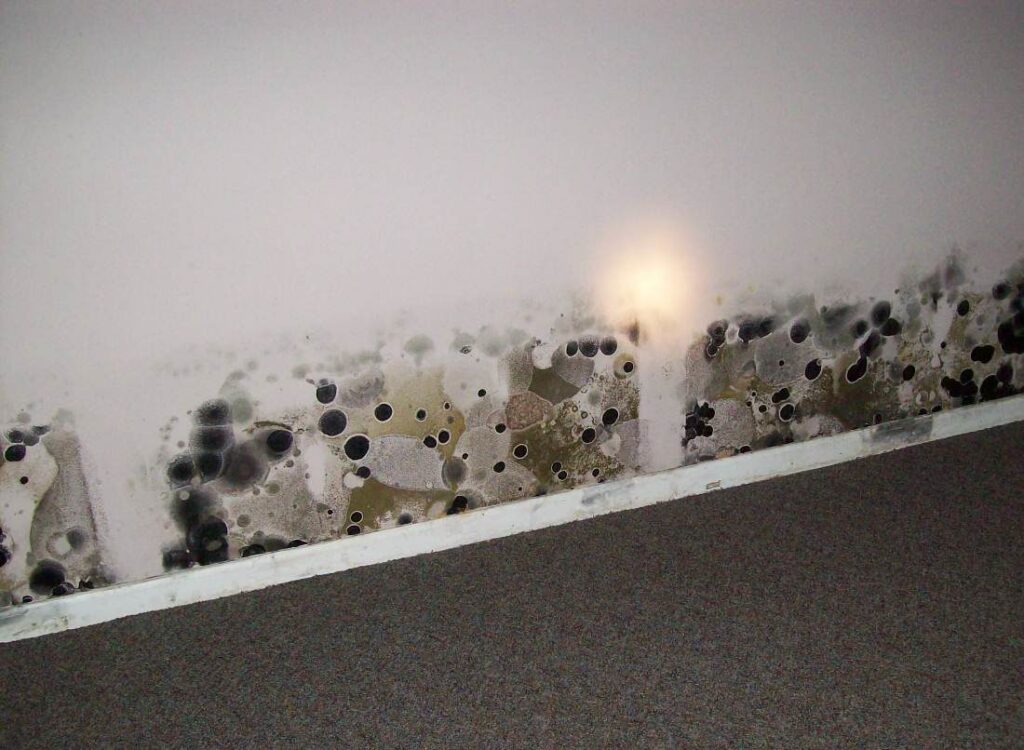
Mold Inspection
Concern about indoor exposure to mold has increased as the public becomes more aware that exposure to mold may cause a variety of health effects to the respiratory system. When mold is discovered in a building it is extremely important that a knowledgeable and well-trained firm be hired to investigate, evaluate and remediate moisture and mold issues.
Mold Inspectors should look for mold within the building, inside walls, and in other areas where mold growth is undesirable, including areas where mold growth could be causing structural issues such as wood decay in crawlspaces, mold growth on drywall and in wall cavities.
Contact Us Today
Contact Balestrieri Environmental & Development, Inc. today to learn how we can assist you with your next renovation project.